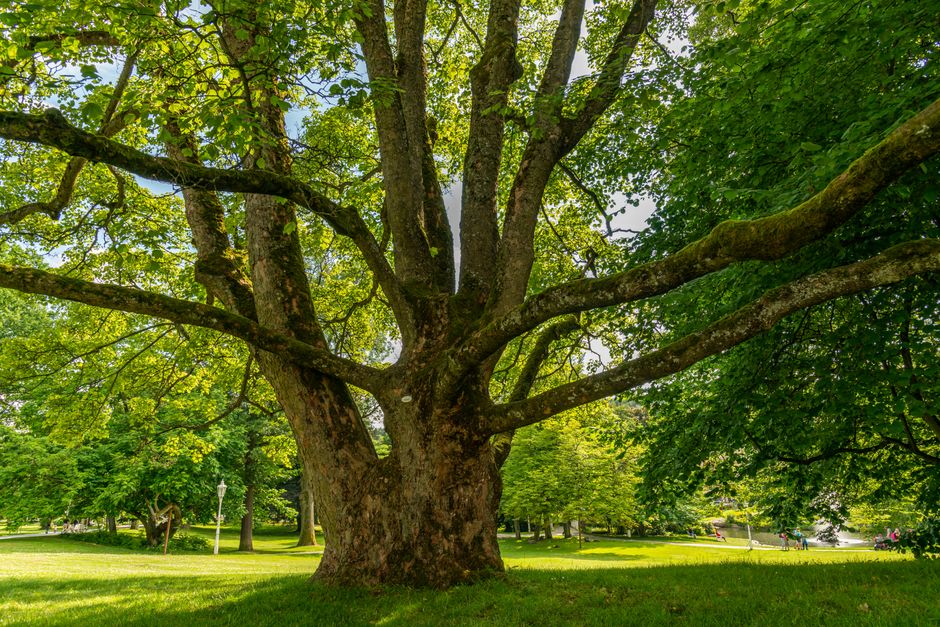
Tree preservation orders Emerson Park what gardeners must know
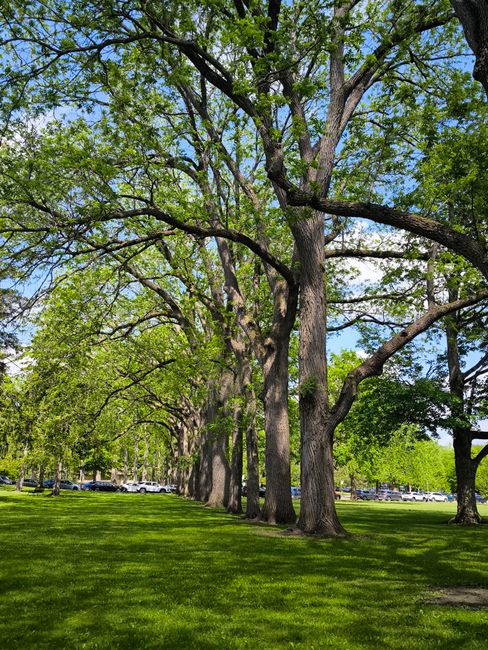
If you garden in Emerson Park, tree preservation orders can change a simple weekend job into something that needs a bit of care and planning. A quick prune, a fence installation, or even clearing bramble around a trunk can become sensitive if the tree is protected. That is exactly why Tree preservation orders Emerson Park what gardeners must know is more than a search phrase - it is a practical issue that can save you stress, time, and in some cases a very expensive mistake.
In plain English, a Tree Preservation Order, often called a TPO, is a legal protection placed on a tree because it is considered important to the local environment, streetscape, or visual character of the area. If you are a homeowner, landlord, groundskeeper, or gardener working in Emerson Park, you need to know when permission is needed, what counts as work, and how to avoid accidental damage. Let's walk through it properly, without the jargon overload.
Why Tree preservation orders Emerson Park what gardeners must know Matters
Tree work feels routine until it isn't. A hedge that overhangs, a branch rubbing against a roof, roots lifting paving, or a tree dropping heavy leaf litter in late autumn can make you think, "Right, this needs sorting." Fair enough. But if the tree is protected, the normal rules change. In Emerson Park, where mature gardens and established trees often add a lot of character, a TPO can be a big deal.
The reason this matters is simple: gardeners are often the first people to spot a problem, and sometimes the first to disturb a protected tree by accident. You might be asked to tidy the crown, remove a low limb, or clear around the base for access. Those jobs sound harmless, but the legal position can turn on very small details. Was the tree protected? Was the work pruning, felling, root disturbance, or just maintenance? Was permission required? That is where people get caught out.
There is also a practical side. Protected trees are often healthy, mature, and deeply rooted in the look and feel of a property. A well-managed tree can provide shade, privacy, structure, and that slightly grand, leafy Emerson Park feel people often want to preserve. So the aim is not to avoid all work. The aim is to do the right work, at the right time, in the right way.
Expert summary: if a tree may be protected, treat it as protected until checked. That one habit prevents most problems before they start.
How Tree preservation orders Emerson Park what gardeners must know Works
A Tree Preservation Order is a formal protection placed on a tree or group of trees. In practice, that means certain actions cannot be carried out without permission from the relevant local authority. The exact process can vary, but the basic logic is fairly consistent across the UK. Protected status does not mean "never touch the tree again." It means "get approval before carrying out specified work."
For gardeners, the key point is that ordinary maintenance and protected-tree work are not the same thing. Removing dead leaves from the ground is one thing. Cutting back a branch, reducing the canopy, lifting the crown, or disturbing roots may be another entirely. Even seemingly light work can matter if it changes the tree's structure or health. Truth be told, the law is not always intuitive here. A small cut can still be a legal issue.
In day-to-day garden care, TPOs usually come into play when a property owner wants to:
- prune or thin branches
- remove a tree or reduce its height
- carry out root work near patios, paths, or foundations
- clear land for landscaping or building work
- manage a tree that appears diseased, unstable, or causing nuisance
If there is any doubt, a cautious approach is best. Many gardeners will flag the issue early and recommend checking before doing anything irreversible. That may sound obvious, but in a rushed job on a damp Tuesday morning, obvious things are easy to miss.
If you need broader support with routine garden care while navigating protected trees, services such as garden maintenance and general gardening support can help keep the rest of the garden in shape without blundering into protected-tree work. For anything that involves cutting, reshaping, or removing a tree, the more specialised route is usually safer, including tree surgery or, where removal is genuinely necessary, tree lopping and removal.
Key Benefits and Practical Advantages
It may not feel like it when you are trying to solve a tangle of branches, but Tree Preservation Orders can be useful. They are not just red tape. Properly understood, they protect both the landscape and the homeowner's long-term interests.
Here are the main advantages:
- They preserve mature trees. Large, established trees are slow to replace. Once gone, they are gone for years.
- They support a greener streetscape. Trees soften hard landscaping and help gardens feel settled rather than overdeveloped.
- They encourage planned work. Instead of reactive chopping, you think ahead and manage the tree carefully.
- They reduce avoidable disputes. Clear permissions can stop neighbour disagreements before they get messy.
- They help with better garden design. Knowing what must stay in place improves planting, shading, and layout decisions.
There is a quieter benefit too. When gardeners, homeowners, and tree specialists all understand the same rules, projects tend to move more smoothly. You get fewer surprises, fewer delays, and fewer moments where someone says, "Oh dear, I didn't realise that tree was protected."
And if a TPO tree sits near a fence line, paving, or a newly planned patio, the benefit is even clearer. Good planning can prevent future clashes between roots, structures, and access routes. In that sense, tree preservation and landscape design actually work together. They are not enemies. They just need a bit of coordination.
Who This Is For and When It Makes Sense
This topic matters to more people than you might think. If you are a homeowner in Emerson Park, you may need this guidance before arranging a one-off tidy-up. If you are a gardener, you need it before agreeing to carry out work. If you manage a larger property, it becomes part of basic site management. And if you are planning landscaping, it is one of the first things to check.
It makes sense to pause and check for a TPO when you are in any of these situations:
- a mature tree is close to a boundary, house, garage, or driveway
- branches are overhanging but the tree seems established and valuable
- you are renovating a garden and want to change levels or hard landscaping
- a tree appears to be dying, diseased, or storm-damaged
- a neighbour asks for branches to be cut back
- you are hiring a gardener who may not specialise in tree work
A useful rule of thumb: if the work involves more than light tidying around the tree, stop and confirm the status first. That includes root disturbance from digging, trenching, or new edging. A tree can be protected above ground and still be affected below it. Roots are the bit people forget about, then regret it later.
For larger projects that combine tree work with layout changes, it can help to bring in a team that understands both horticulture and structural implications. Services like landscaping and landscape gardening are particularly relevant where a tree forms part of a wider garden redesign.
Step-by-Step Guidance
If you want a straightforward way to deal with a potentially protected tree, use this approach. It is not flashy, but it works.
- Identify the tree clearly. Note its location, size, species if known, and whether it is on your side of the boundary or shared land.
- Check whether it is protected. Do not assume a tree is unprotected just because it is in a private garden.
- Define the exact work. Pruning, crown reduction, felling, root cutting, stump grinding, and deadwood removal are not interchangeable.
- Assess the reason for the work. Is it safety, access, structural concern, light, nuisance, or a garden redesign? The reason affects the case for permission.
- Record the tree's condition. Photos help. Take a few from different angles. If there is storm damage or visible decay, document it.
- Seek the right permission if required. Do not start cutting until approval is confirmed where necessary.
- Choose an experienced contractor. Use someone who understands protected trees, not just general garden tidying.
- Schedule the work sensibly. Weather, nesting birds, site access, and garden use can all affect timing.
- Protect the rest of the garden. Use safe access routes, avoid unnecessary compaction, and keep tools away from roots where possible.
- Keep records. Hold onto permission notes, photos, and job details for future reference.
If you are unsure at step two, that is completely normal. Many people are. Better to spend ten minutes checking than to spend weeks repairing a mistake. A slightly boring pause can save a lot of drama later.
Expert Tips for Better Results
From a practical garden-care point of view, the best results come from restraint and timing. Not every tree problem needs an aggressive fix. In fact, too much cutting can make a tree look harsher, create weak regrowth, or leave the garden feeling bare and exposed.
Here are some tips that tend to make a real difference:
- Start with the least invasive option. Can the problem be solved with selective pruning rather than heavier reduction?
- Think about the whole garden. A tree that shades the lawn at noon may be doing you a favour in summer.
- Watch the ground conditions. Wet soil and repeated foot traffic can compact root zones fast.
- Keep boundary jobs tidy. If you are also managing hedges, a service like hedge trimming can help separate hedge work from tree work so nothing gets mixed up.
- Be careful around structures. If a protected tree sits beside fencing, patios, or driveways, plan access before any tools come out.
A small but useful observation: many problems are not caused by one big cut, but by repeated small mistakes. A little too much each season. A few roots disturbed here, a few branches over-pruned there. It adds up.
If you are planning related improvements, it may also be worth thinking about site recovery after the tree work. For example, fresh edging, safer access, or boundary repairs may require fencing, while the surrounding area may benefit from patio cleaning or careful surface renewal after debris and mud have been cleared.
Common Mistakes to Avoid
This is where things tend to go wrong. Not because people are careless, but because tree rules are easy to underestimate. A garden can look calm and simple while hiding a fairly important legal issue.
- Assuming all private trees are free to work on. Private ownership does not automatically mean unrestricted work.
- Confusing maintenance with alteration. A little deadwood removal is not the same as reshaping the canopy.
- Forgetting root protection. Digging near roots can be just as serious as cutting branches.
- Starting work before permission. This is the classic headache. It happens, and it is avoidable.
- Using the wrong contractor. General garden clearance is not the same as protected-tree work.
- Ignoring the wider site. A tree job may affect drainage, paving, lawns, or nearby structures.
If the job involves clearing a heavily overgrown corner, be careful not to treat protected tree roots as part of the debris. That sort of thing is easy to do during a rushed clean-up. If you need to clear brambles, old timber, or general waste around the area, a more measured garden clearance service is usually the safer starting point.
One more mistake that deserves its own line: do not rely on guesswork from a neighbour, even a very helpful one. Nice people, often wrong on legal details. Happens all the time.
Tools, Resources and Recommendations
You do not need a specialist toolkit to understand a TPO situation, but you do need a disciplined way of checking things. That starts with a few simple records and a sensible site plan.
| What you need | Why it helps | Practical note |
|---|---|---|
| Site photos | Show the tree, nearby structures, and the work area | Take wide shots and close-ups before anything changes |
| Simple site sketch | Helps show boundaries and access routes | Very useful when trees sit near fences or patios |
| Written job brief | Clarifies whether the work is pruning, clearance, or removal | Prevents misunderstandings with contractors |
| Previous garden records | Shows what has already been done | Useful if the tree has been worked on before |
| Professional quote | Sets expectations for time, scope, and methods | Compare like with like, not apples with pears |
For homeowners who want to keep the whole garden in good shape, it can also help to coordinate tree work with routine care. A garden that is being maintained regularly is easier to assess, easier to access, and less likely to have hidden issues around the base of a tree. That is where ongoing garden maintenance is worth its weight in gold, especially when the garden has mature planting and awkward corners.
Where a project is broader than one tree, a combined plan may be more efficient. For instance, tree work may be paired with general landscaping changes or a new garden layout, rather than treated as a one-off panic job. That tends to produce calmer results and fewer surprises.
Law, Compliance, Standards, or Best Practice
Because tree preservation orders are a legal matter, you should always approach them with caution. The exact requirements depend on the protected status of the tree and the local authority process, so it is wise not to rely on assumptions or informal advice. In practice, the safest route is to treat any suspected protected tree as off-limits for significant work until you have checked the position properly.
Best practice usually means:
- confirming the tree's status before work begins
- recording the proposed action clearly
- using suitable, experienced contractors
- avoiding unnecessary root disturbance
- keeping a written record of approvals and job details
For garden businesses, there is also a professional duty to be clear with customers. If a client asks for a reduction, removal, or pruning near a potentially protected tree, it is far better to pause and explain the issue than to press on. That's not awkwardness; that's competence.
Safety matters too. Tree work can involve height, falling material, sharp tools, and unstable limbs. If the task involves more than routine hand-pruning, it should be handled by people who follow sound health-and-safety practices and work carefully around the site. If you are comparing contractors, it is sensible to ask how they approach safety and whether they have appropriate insurance and safety arrangements in place.
For company background, process confidence, and general reassurance, readers often like to see who they are dealing with. A short look at the provider's about us information, along with clear terms and conditions and transparent pricing and quotes, can make the whole decision feel less hazy.
Options, Methods, or Comparison Table
When a tree is protected or may be protected, you usually have a few broad options. Choosing the right one depends on the tree's condition, the reason for work, and the surrounding garden layout.
| Option | Best for | Pros | Watch-outs |
|---|---|---|---|
| Light pruning | Small amounts of tidy-up where permitted | Least disruptive, keeps the tree natural | Still may need approval depending on scope |
| Selective tree surgery | Managing structure, safety, or health issues | More controlled than heavy cutting | Needs careful planning and a skilled operator |
| Full removal | When the tree is unsafe, dead, or clearly unsuitable | Solves severe problems decisively | Usually the most sensitive option legally and environmentally |
| Hold and monitor | Where the issue is minor or seasonal | Buys time and avoids unnecessary intervention | Not suitable if the tree presents an immediate risk |
In many Emerson Park gardens, the best answer is not "cut it back hard." It is often "manage it carefully and keep the tree's shape alive." That approach protects the look of the garden, preserves shade, and usually avoids messy regrowth later on. A little patience goes a long way.
Case Study or Real-World Example
Imagine a typical Emerson Park rear garden with a mature tree near the boundary and a tired old patio below it. The homeowner wants more light, tidier access, and space for better planting. They are also worried the branches are brushing close to a neighbour's side. A straightforward job? Not quite.
The sensible first step is to identify whether the tree is protected. Once that is clarified, the proposed work can be narrowed down. Instead of jumping straight to removal, the gardener or tree specialist might suggest selective pruning, careful clearance around the base, and improvements to the surrounding layout. In some cases, the patio itself may need attention after years of leaf stain and damp shading, which is where patio cleaning fits into the wider plan.
The result is usually better than a rushed cut-and-run job. The tree stays healthy, the garden looks more intentional, and the homeowner avoids the classic regret of taking too much off. You know the look - bare branches, harsh lines, and that slightly shocked tree silhouette at the end of winter. Not ideal.
Where access is awkward or the tree sits close to a hard boundary, other garden upgrades may be scheduled around the work. If the surrounding area needs better definition after pruning, a project might include landscaping or boundary improvements through fencing after the tree issue has been resolved properly.
Practical Checklist
Use this checklist before any work begins. Keep it simple. That's the point.
- Have I identified the exact tree in question?
- Do I know whether a TPO or other protection may apply?
- Have I defined the work clearly: pruning, crown reduction, root disturbance, or removal?
- Have I checked whether the job affects nearby structures, paths, or boundaries?
- Do I have photos of the current condition?
- Have I confirmed whether permission is needed before any cut begins?
- Have I chosen a contractor with relevant tree experience?
- Have I planned access so roots and surrounding planting are protected?
- Have I kept records of approvals, quotes, and agreed scope?
- Have I considered whether the rest of the garden needs follow-up care afterwards?
If you can tick most of those without hesitation, you are in a good place. If not, stop and fill the gaps first. That one pause can be the difference between a neat result and a very annoying letter later.
Get a free quote today and see how much you can save.
Conclusion
Tree preservation orders in Emerson Park are not something gardeners should fear, but they are something gardeners must respect. Once you understand the basics, the whole process becomes much more manageable. Check first, define the work clearly, avoid assumptions, and bring in the right help for anything beyond light maintenance.
That approach protects the tree, protects your garden, and protects you from avoidable trouble. It also tends to lead to better-looking results, which is really the point. A well-kept tree can quietly hold a garden together for decades, especially in a place where mature planting adds so much character. Handle it carefully and it will reward you.
And honestly, that is the nicest outcome: a healthy tree, a calmer garden, and no nasty surprises. A pretty good day's work, all things considered.
Frequently Asked Questions
What is a Tree Preservation Order in simple terms?
A Tree Preservation Order is legal protection for a tree that is considered important. It usually means you need permission before doing significant work such as pruning, reducing, or removing it.
Do gardeners in Emerson Park need to check for TPOs before every tree job?
Not every minor task, but yes for any meaningful pruning, felling, or root-disturbing work. If the tree is mature or near a boundary, it is wise to check first.
Can I cut back branches from a protected tree if they are touching my fence?
Not automatically. The fact that branches overhang does not always give free permission to cut them. The protected status still matters, so confirm the rules before starting.
Is deadwood removal allowed on a tree with a preservation order?
Sometimes it may be, but do not assume. Even apparently minor work should be checked against the tree's protected status and the permitted scope of work.
What happens if I accidentally damage a protected tree?
That can become a serious issue, so the safest response is to stop work immediately and document what happened. If there is any doubt, speak to the relevant authority or a qualified tree professional without delay.
How do I know whether a tree in my garden is protected?
You usually need to check with the local authority records or ask someone familiar with tree protection to help confirm it. Do not rely on appearance alone; protected trees do not always look obviously different.
Should I use a general gardener or a tree specialist?
For basic garden care, a general gardener may be fine. For pruning, reduction, removal, or anything involving a protected tree, a specialist with tree experience is the safer choice.
Does a TPO stop all work forever?
No. It usually means work needs permission first. Protected trees can still be managed, but the work must be planned and justified properly.
What if the tree looks unsafe or storm-damaged?
Do not rush in with tools. Take photos, make the area safe if needed, and get professional advice quickly. Safety is the priority, but so is not making the situation worse.
Can tree work affect my patio, fence, or lawn?
Yes, very much so. Roots, access routes, and debris can all affect nearby surfaces and garden features. Good planning helps prevent damage, and follow-up work like patio care, fencing repairs, or lawn recovery may be needed afterwards.
Is it worth planning landscaping around a protected tree?
Absolutely. In many gardens, the tree should shape the design rather than block it. Sensible landscaping can make the tree feel like an asset rather than an obstacle.
What is the smartest first step if I suspect a TPO?
Pause and confirm the tree's status before any cutting starts. That single check avoids most avoidable problems and usually saves time in the long run.
Where can I get help with tree-related garden work?
If the job involves protected-tree concerns, tree surgery, or larger site planning, it helps to work with a local team that understands both tree care and wider garden maintenance. The right support makes the process a lot less stressful.