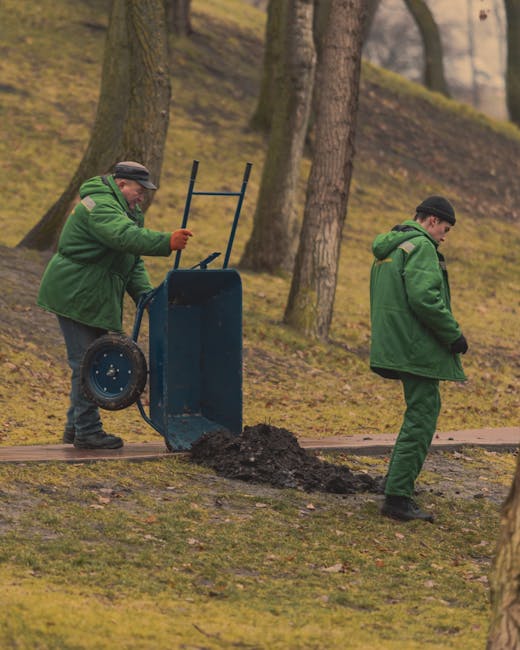
Same day gardeners Emerson Park for storm and urgent work

When a storm has just rolled through Emerson Park, the garden can look like it has had a very bad day. Broken branches, scattered fence panels, mud on paths, a lawn flattened by heavy rain, and maybe a hedge that is now leaning at an angle you definitely did not order. In that moment, speed matters. Same day gardeners Emerson Park for storm and urgent work is about getting a skilled team on-site quickly to make the space safe, manageable, and ready for proper recovery.
This kind of service is not only for dramatic storm damage, either. It also helps when you have a garden problem that suddenly cannot wait: an unsafe tree limb, overgrown access route, blocked patio drain area, a fallen fence section, or a property presentation issue before visitors arrive. In other words, it is the difference between "we'll deal with it next week" and "let's sort this out now."
Below, you will find a practical guide to what urgent garden work usually involves, how the process works, what to expect, and how to avoid common mistakes when you need fast help. If you want to understand the service in more depth, you may also find it useful to look at general gardening services, tree surgery, and health and safety guidance before booking.
Why Same day gardeners Emerson Park for storm and urgent work Matters
Storm damage is rarely neat. One gust can bring down a branch, loosen a panel, dump debris over a border, and make the whole garden feel unsafe. Even without a major event, an urgent garden issue can quickly affect how you use the property. A blocked side return can become slippery. A damaged hedge can expose a garden to more wind. A fallen limb can threaten roofs, cars, or neighbouring boundaries. Let's face it, these are not jobs people want hanging around.
In Emerson Park, where many gardens are used for family space, pets, entertaining, or simply keeping a tidy frontage, urgency is often about more than appearance. It is about access, safety, and avoiding further damage. A quick response can stop a minor mess turning into a bigger and more expensive problem.
There is also a psychological side to it. A storm-ravaged garden can feel oddly unsettling. You look out the window and see chaos where there should be calm. A fast, organised clean-up does more than remove branches; it restores a sense of control. That matters more than people sometimes admit.
If the issue is tied to overgrowth or neglected edges, it can help to read the step-by-step guide to tackling a neglected garden and smart ways to armour your garden against bad weather. Those articles sit nicely alongside urgent response planning because prevention and reaction should work together, not fight each other.
How Same day gardeners Emerson Park for storm and urgent work Works
Same-day garden support is usually a triage process. The team needs to understand the problem quickly, identify any hazards, and decide what can be made safe immediately. That might mean clearing broken material, removing obvious trip risks, stabilising loose items, or carrying out controlled pruning. The first visit is often about making the garden safe and usable, not finishing every possible task in one go.
Here is the usual flow:
- You describe the issue clearly. Mention what happened, when it happened, and whether anything is unsafe right now.
- The response is prioritised. Urgent hazards, access problems, and further-damage risks come first.
- A practical plan is agreed. The team decides what can be completed on the day and what may need follow-up work.
- The immediate work begins. This may include debris removal, cutting back unstable growth, tidying borders, or clearing blocked areas.
- The site is checked for lingering risks. The final step should leave the area safer than when the team arrived. Simple, but essential.
Good urgent work is calm, not frantic. That sounds obvious, but in storm conditions a rushed approach can create new damage. A professional will usually work methodically, especially around ladders, wet ground, broken timber, and anything that might shift unexpectedly. If a job involves larger branches, unstable trees, or damaged structures, it may overlap with tree surgery or fencing, depending on what has failed.
For more general background on what a broader service can cover, the page on garden maintenance helps explain how urgent tasks sit within the bigger picture of keeping a property in good order.
Key Benefits and Practical Advantages
The main benefit is obvious: speed. But there is more to it than that. A same-day response often prevents a chain reaction of small problems becoming one big one. Storms love creating domino effects. A broken branch lets in more wind. More wind damages a hedge. A damaged hedge exposes a path. A slippery path causes avoidable trouble. You get the idea.
Here are the practical advantages that matter most:
- Reduced safety risk for family members, visitors, pets, and neighbours.
- Less secondary damage from exposed beds, broken timber, and water pooling.
- Faster recovery after heavy rain, wind, or fallen debris.
- Better kerb appeal if your property is visible from the street.
- More workable access for bins, vehicles, gates, and side paths.
- Peace of mind, which is not a small thing when the garden is looking rough.
There is also a practical cost angle. A quick intervention can sometimes prevent a larger repair later. That said, no one should pretend emergency garden work is magical. If a tree is badly compromised or a fence line is extensively damaged, the immediate visit may only address the urgent part first, then schedule a fuller repair. Truth be told, that is usually the sensible route anyway.
For gardens where the storm has exposed other weaknesses, the following resources can be useful afterwards: garden design ideas for excessive wind, winterising plants, and weed control practices if disturbed soil and debris have opened the door to unwanted growth.
Who This Is For and When It Makes Sense
This service is a strong fit for homeowners who need urgent help after bad weather, but it is not only for dramatic storm events. In practice, people call for same-day help when the garden is causing a safety concern, a practical obstruction, or a time-sensitive problem that simply cannot sit there.
It often makes sense for:
- households with fallen branches or scattered debris after wind or rain
- properties with loose fencing, damaged gates, or exposed boundaries
- gardens that need immediate tidying before guests, inspections, or photos
- families with children or pets using the outdoor space daily
- landlords, letting agents, or sellers trying to restore a presentable exterior fast
- older gardens where overgrowth and bad weather have combined into one messy situation
It can also be a sensible call if the storm did not cause visible destruction but left the garden unstable. Wet soil can shift. Heavy shrubs can lean. A shallow-rooted plant may not look dramatic, but if it has loosened, it can still pose a problem. A garden does not have to look like a film set after disaster to need urgent attention.
If your space has drifted into chaos before the storm even arrived, the article on tackling a neglected garden gives useful context for what often happens when neglect and weather meet halfway. Not a cheerful combination, admittedly.
Step-by-Step Guidance
When you need urgent garden help, a clear process stops everything feeling overwhelming. The key is to focus first on safety, then access, then appearance. That order matters.
- Assess the situation from a safe distance. Look for hanging branches, damaged structures, sharp debris, or waterlogged areas.
- Keep people and pets away from obvious hazards. A snapped limb or leaning fence can shift without warning.
- Take a few photos if needed. This helps explain the issue clearly when you request help.
- Note the priorities. Is the main concern safety, access, kerb appeal, or preventing further damage?
- Contact the team and describe the job plainly. Short, accurate details are better than a long guessy explanation.
- Be ready to confirm access. Mention gates, parking, pets, or anything that could slow the visit.
- Let the team handle the risky parts. Do not climb, drag, or cut unstable material yourself.
- Ask what will be completed today and what should wait. Good planning avoids disappointment.
- Review the area after the work. Check that paths, entrances, and key surfaces are clear.
- Plan follow-up maintenance. This is where longer-term stability usually gets built.
In an ideal world, every garden would be storm-ready. In the real world, wet leaves collect, branches drop, and the wind has ideas of its own. The trick is to respond fast and intelligently, not emotionally. Yes, the hedge is a mess. No, it does not need every inch of it attacked with the nearest blunt tool.
For ongoing recovery, it can help to combine urgent cleanup with longer-term improvements such as lawn care, lawn mowing, or even patio cleaning once the immediate debris is gone.
Expert Tips for Better Results
The best urgent jobs are often the ones that stay calm and organised. A few small habits can make the whole process smoother and safer.
- Prioritise access first. If a path or gate is blocked, clear that before anything decorative.
- Separate light debris from structural damage. Leaves and twigs can wait; loose timber, broken glass, and unstable posts cannot.
- Do not over-prune in a panic. Cutting too much off a shrub or hedge can create another weakness.
- Watch the soil. Saturated ground can be as much of a hazard as the visible damage.
- Use the moment to spot hidden issues. Storms often reveal rot, ivy pressure, poor drainage, or old fixing failures.
A useful little habit: walk the garden once, slowly, before deciding what needs doing first. You notice more on the second look. A plant that seemed merely messy may actually be blocking a drain edge. A branch that looked harmless may be resting on a cable or glass panel. Little things, big difference.
For gardens where climbing growth or dense hedging made the damage worse, these articles are worth a look afterwards: eradicating ivy, hedge types for privacy, and hedge trimming in Emerson Park.
Common Mistakes to Avoid
Urgent jobs are where people most often make avoidable mistakes. Understandable, of course. You have wind-blown debris everywhere and you want it sorted now. But a few wrong moves can make the situation harder.
- Trying to move heavy or unstable branches alone. That is how small incidents become bigger ones.
- Using the wrong tool in wet conditions. Slippery handles and unstable footing are a poor mix.
- Assuming the obvious damage is the only damage. Storms love hidden problems.
- Cutting hedges or shrubs too hard. Over-reduction can leave a garden exposed.
- Ignoring fencing and boundary risks. A loose panel can become a hazard very quickly.
- Forgetting drainage. Debris can block water flow and cause lingering issues.
Another common mistake is booking a general tidy-up when the issue is actually structural or hazardous. If a tree limb is split, or a fence post is wobbling, the job needs more than a standard sweep-through. That is where understanding the difference between general maintenance and urgent response really helps.
A small but important note: if an issue may affect a neighbour's property or a shared boundary, communicate early and keep records of what was done. No drama, just sensible housekeeping.
Tools, Resources and Recommendations
In urgent work, the right tools matter because they reduce time on site and help control risk. You do not need to know every technical detail, but it is useful to understand the sort of equipment that might be used.
| Situation | Likely approach | Why it helps |
|---|---|---|
| Wind-blown debris | Clear, bag, and separate organic waste | Restores access quickly and avoids trip hazards |
| Damaged hedge or shrub | Careful reduction and shaping | Reduces strain without overcutting |
| Broken branches | Controlled removal and pruning | Prevents further tearing or falling |
| Loose boundary damage | Temporary securing or referral for repair | Keeps the area safer until full work is arranged |
| Waterlogged or messy paths | Debris clearing and surface cleaning | Improves safe movement through the garden |
If you are preparing your own garden kit for lighter tidy-up work, the article on must-have tools for every gardening aficionado is a handy read. For greener, longer-term repairs, turning waste into nutrient soil is a solid companion topic, especially after storm debris has been composted appropriately.
And if your garden took a hard hit in a season with cold, wet weather, winterising plants can help prevent repeat stress next time around.
Law, Compliance, Standards, or Best Practice
For urgent garden work, the main concern is usually safety and sensible practice rather than complex legal procedure. Still, there are a few good norms to keep in mind. In the UK, anyone carrying out practical outdoor work should approach it with proper care for safe access, equipment handling, and disposal of waste. If a job is near shared boundaries, trees with obvious structural issues, or damaged features that might affect others, a cautious, documented approach is the wise move.
Best practice typically includes:
- checking for hazards before starting work
- using suitable protective equipment
- keeping the site tidy as you go
- avoiding unnecessary disturbance to healthy plants and roots
- separating urgent stabilisation from longer-term improvement work
If the storm has caused damage to a boundary, structure, or tall tree, it is sensible to use a service that works in line with its own safety procedures. You can review practical expectations on the health and safety policy, as well as insurance and safety, before arranging work. For payment questions and general terms, the relevant references are payment and security and terms and conditions.
One more practical point: if an urgent visit leads into a larger project, clear written expectations help everyone. What is immediate, what is optional, what is postponed, and what is included. That clarity saves a lot of faff later.
Options, Methods, or Comparison Table
Not every garden problem needs the same response. The right method depends on urgency, scale, and risk. Here is a simple comparison to help you decide what kind of help is needed.
| Approach | Best for | Typical outcome | Limitations |
|---|---|---|---|
| Immediate same-day response | Storm debris, hazards, access problems | Fast safety improvement and basic tidying | May not complete larger repairs |
| Planned maintenance visit | Overgrowth, routine upkeep, seasonal cutting | Neater, more consistent garden condition | Not suitable for active hazards |
| Specialist tree or boundary work | Large limbs, unstable trees, damaged fencing | More technical resolution of structural issues | May require more time and preparation |
| Combined urgent and follow-up service | Mixed storm damage plus general neglect | Immediate safety fix with longer-term recovery | Needs clear prioritisation |
The blended option is often the best in real life. You deal with the urgent mess first, then return for the bits that deserve more care. Simple enough, but easy to forget when the garden looks a state.
Case Study or Real-World Example
Here is a realistic example based on the sort of job that often comes up after bad weather in a residential garden. A homeowner wakes up after a windy night to find a medium branch down across the side access path, a hedge section flattened into the border, and bits of leaf litter packed against the patio edge. Nothing is catastrophic, but the path is awkward to use and the area looks unsafe enough that they do not want children or pets wandering through it.
A same-day team arrives, checks for hidden hazards, and starts by clearing the path so the garden can be used again. The branch is removed in controlled sections, loose debris is bagged, and the hedge is carefully reshaped rather than hacked back. The patio edge is swept clean, and the team identifies a few spots where water is beginning to sit after the storm. That problem is noted for follow-up because chasing every issue in one rushed visit would be unwise.
What changed? The homeowner went from feeling stuck to having a usable outdoor space again within a short timeframe. The garden was not "finished" in the perfectionist sense, but it was safe, tidy, and no longer escalating. That is often the real value of urgent garden work. Not glamour. Relief.
For a similar recovery mindset, the article on protecting your garden against bad weather offers good ideas for reducing repeat damage. If privacy and wind exposure became an issue, hedge artistry and evergreen climbers for shade can also be surprisingly relevant.
Practical Checklist
Use this checklist when you need fast garden help after a storm or urgent event:
- Identify the main hazard before touching anything.
- Keep children, pets, and visitors away from damaged areas.
- Check for hanging branches, loose panels, or unstable objects.
- Take a few photos for reference if needed.
- Clear a safe route to gates, paths, or essential access points.
- Decide what needs immediate action and what can wait.
- Ask whether the job involves gardening, tree work, fencing, or mixed tasks.
- Confirm access arrangements, especially if the front or side gate is restricted.
- Make sure waste removal and tidy-up are discussed clearly.
- Book follow-up maintenance if the garden has broader seasonal issues.
Practical summary: the best same-day response is fast, careful, and honest about scope. It should make the garden safer first, then better looking, then easier to maintain. That order really matters.
Conclusion
Storms and urgent garden problems never arrive at a convenient time. They rarely do. But the good news is that a prompt, well-planned response can prevent further damage, restore safe access, and take a lot of stress off your shoulders. Whether the issue is a fallen branch, damaged hedge, blocked path, or loose boundary, same-day support gives you a practical way back to normal.
The real value of Same day gardeners Emerson Park for storm and urgent work is not just speed. It is judgement. Knowing what to remove, what to secure, what to leave for later, and how to leave the space safer than before. That is the bit people remember when the weather has calmed down and the garden is starting to breathe again.
If you are dealing with storm damage now, or you can see a garden problem getting worse by the hour, take the next step sooner rather than later. A quick response today can save a great deal of effort tomorrow.
Get a free quote today and see how much you can save.
Frequently Asked Questions
What counts as urgent garden work in Emerson Park?
Urgent work usually means anything affecting safety, access, or further damage. Common examples include fallen branches, leaning fence panels, blocked paths, and storm debris that needs quick clearing.
Can same-day gardeners come out after heavy rain or high winds?
Yes, if conditions are safe enough for practical work. The team may focus first on hazards that can be handled without unnecessary risk, then plan follow-up work if larger repairs are needed.
Do I need to know exactly what is wrong before I call?
No, but it helps to describe what you can see. A simple explanation such as "a branch has fallen across the path" or "the hedge has been flattened by wind" is usually enough to start.
Will urgent garden work include tree removal?
Sometimes, but not always. If the problem involves a larger tree or unstable limb, the work may overlap with specialist tree surgery rather than standard garden clearance.
Is same-day help only for storm damage?
No. It is also useful for sudden access problems, unsafe overgrowth, fallen garden items, or any situation where the space needs to be made safe quickly.
What should I do before the gardeners arrive?
Keep people and pets away from hazards, clear a safe access route if possible, and take photos if you want a record of the damage. Do not try to shift unstable items yourself.
How do urgent garden jobs differ from routine maintenance?
Routine maintenance is planned and usually cosmetic or preventative. Urgent work is reactive and safety-led, with the first goal being to stop the issue from getting worse.
Can urgent garden work help with kerb appeal before visitors or a property viewing?
Yes. A quick tidy-up can make a big difference to how the front or rear garden presents, especially if debris, broken growth, or messy boundaries are making the property look neglected.
What if the storm damage is partly on a neighbour's side?
It is best to communicate early and keep things calm and factual. If there is a shared boundary or obvious cross-border issue, a sensible, documented approach is usually best.
Will the whole garden be finished on the same day?
Not always. A same-day visit often focuses on urgent hazards and access first. Bigger repair work, deeper pruning, or boundary restoration may be scheduled separately.
How can I avoid the same problem happening again?
Good prevention includes seasonal pruning, sturdier boundary features, better drainage, and sensible garden design for wind exposure. The articles on weather protection, wind-aware design, and hedge planning are helpful next reads.
Where can I find more information about service expectations and pricing?
You can review the relevant pages on pricing, terms, insurance, and safety to understand how the service is structured before booking. That keeps everything clear from the start.
Sometimes a garden only needs a quick, careful hand to get back on its feet. And once it is sorted, even the air feels lighter.