Gardeners for Emerson Park Road small front gardens RM11: practical ideas for tidy, welcoming spaces
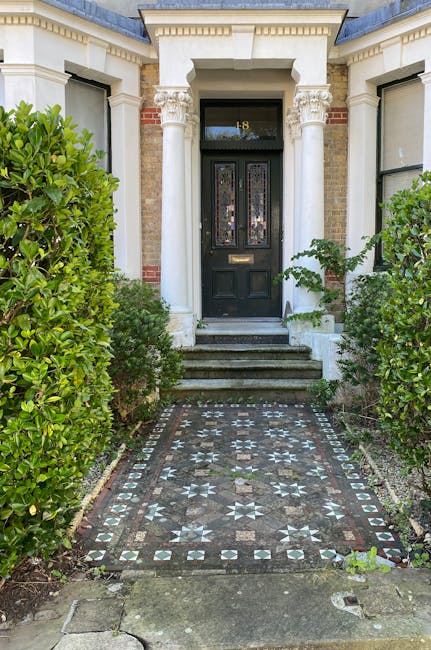
If you live on Emerson Park Road and your front garden feels more "compact challenge" than "curb appeal showcase", you're not alone. Small front gardens ask a lot from a little space: they need to look smart, stay manageable, cope with weather, and still feel personal. That is exactly where Gardeners for Emerson Park Road small front gardens RM11 can make a real difference. With the right approach, a narrow strip, a short path, or a tiny entrance bed can become neat, resilient, and surprisingly elegant.
This guide walks through what small-front-garden gardening involves, how a good local service usually works, and which design choices genuinely help rather than just looking nice for a week. You'll find practical steps, common mistakes, and a few low-maintenance ideas that suit busy households. Truth be told, the best small gardens are rarely the most elaborate ones. They're the ones that are planned well and looked after regularly.
- Why this matters
- How the service works
- Key benefits
- Who it is for
- Step-by-step guidance
- Expert tips
- Common mistakes
- Tools and resources
- Compliance and best practice
- Options and comparison
- Real-world example
- Checklist
- Conclusion
- Frequently asked questions
Why Gardeners for Emerson Park Road small front gardens RM11 Matters
Front gardens do more than fill the space between the pavement and the house. They shape first impressions, influence how easy your entrance feels day to day, and affect how much time you spend tidying. In a small frontage, every detail is visible. A few weeds, a sagging edge, or an overgrown shrub can make the whole place look neglected. On the other hand, a well-kept front garden instantly lifts the property and makes coming home feel a bit better. Small things, but they matter.
Emerson Park Road properties often benefit from a tailored approach rather than a generic tidy-up. Small plots can be awkward: limited planting depth, awkward drainage, shade from walls or fences, and not much room to store tools or compost. A gardener who understands compact front gardens will usually focus on structure, durability, and year-round neatness instead of cramming in plants for the sake of it.
It also matters because front gardens are often the most public-facing part of a home. If the back garden is private and relaxed, the front garden is usually the neat handshake. That means edging, path care, hedge shape, and planting choice all need to pull together cleanly. If you want inspiration for low-profile planting, the guide on ground cover plants that suit UK gardens is a useful place to start.
How Gardeners for Emerson Park Road small front gardens RM11 Works
The process usually starts with a close look at the space itself. A good gardener will assess width, sunlight, access, soil condition, drainage, and how the front garden connects to the pavement, driveway, or entrance path. That first look matters because small gardens punish guesswork. A plant that looks lovely in a bigger border may crowd a narrow bed in no time.
From there, the work often falls into one of four patterns: a one-off tidy-up, a redesign, a maintenance schedule, or a mix of all three. For example, a heavily overgrown front garden might need weed removal, pruning, and border reshaping before any new planting happens. If the space is already serviceable, the gardener may simply refine it with sharper edges, better mulch, and a more suitable planting scheme.
Many homeowners also ask for a practical solution rather than a "show garden". Fair enough. For small front gardens, the best answer is often evergreen structure, a restrained colour palette, and a few dependable plants that won't turn into a weekly battle. Services such as garden maintenance and lawn care are often most useful when the aim is steady, tidy presentation rather than a full redesign.
A local gardener may also suggest related work if needed: hedge shaping, fence repair, patio cleaning, or tree pruning. That sounds like a lot, but in a small front garden, one weak feature tends to affect the whole picture. A patchy hedge or dirty path stands out immediately.
Key Benefits and Practical Advantages
The biggest benefit is obvious: the garden looks better. But the real value goes deeper than appearances. With the right design and maintenance, small front gardens become easier to live with, safer to walk through, and less expensive to keep under control over time.
- More usable space: better layout can make a tiny area feel broader and less cluttered.
- Lower upkeep: the right plants and surfaces reduce frequent tidying.
- Stronger curb appeal: neat borders and clean paths make the whole property feel cared for.
- Better weather resilience: compact gardens can be designed to handle wind, rain, and shade more gracefully.
- Less plant failure: species chosen for the site are less likely to sulk, flop, or spread too far.
There's also a quieter benefit: the front garden becomes less mentally noisy. A small space that is overplanted or badly arranged can feel oddly stressful because you see it every time you leave or arrive. A calmer, cleaner layout changes that. It's one of those little domestic wins people notice after a fortnight, then wonder why they waited so long.
If you are trying to decide between keeping things minimal or adding more interest, the article on vertical gardens in compact spaces can help if your frontage has very little ground room but decent wall or fence space.
Who This Is For and When It Makes Sense
This kind of garden support makes sense for a few common situations. Some are obvious, some a bit less so.
- Busy homeowners: if you want the front to stay tidy without constant weekend work.
- New residents: if you've moved in and the outside space needs a reset.
- Older properties: if the garden has become awkward, overgrown, or patchy over time.
- Families: if the front garden has to stay safe and uncluttered for regular foot traffic.
- Rentals or managed homes: if the property needs a dependable presentable exterior.
It also makes sense when the garden's problems are structural rather than seasonal. For instance, if ivy keeps creeping where it should not, or a hedge is swallowing the path, a tidy-up alone may not be enough. In that case, more targeted help is sensible. For ivy-specific issues, see practical ivy removal guidance. And if the front boundary is the main issue, hedge trimming in Emerson Park is often the sort of service that restores shape fast.
Not every garden needs a grand redesign. Sometimes you just need the right pair of hands at the right time.
Step-by-Step Guidance
If you're planning to improve a small front garden, it helps to work in a proper order. That avoids wasted effort and keeps the budget under control.
- Clear the obvious problems. Remove litter, dead leaves, broken pots, rogue weeds, and any self-seeded clutter.
- Assess what stays. Keep only the shrubs, trees, and features that genuinely suit the space.
- Define the edges. Sharp borders, clean lines, and a neat path instantly make a small garden look better.
- Fix the soil. Poor soil is a classic reason small gardens look tired. Compost, topsoil improvements, and mulch can change that quickly.
- Choose a simple planting plan. Use fewer plant types, repeated in a deliberate way.
- Address height carefully. Add interest with one or two taller elements, not a jungle.
- Plan maintenance from day one. If it will be difficult to keep up, simplify it now.
For neglected spaces, a staged reset is often the right move. The step-by-step guide to tackling a neglected garden is especially helpful if the front area has gone from "a bit messy" to "oh dear".
Here's the thing: small gardens reward discipline. A restrained plan usually beats a complicated one.
Expert Tips for Better Results
Experience teaches you a few things that aren't always obvious at the start. In small front gardens, the winning decisions are usually the boring-looking ones. Boring, in the best possible way.
- Repeat plants for rhythm. Three or five of the same plant often looks better than one of everything.
- Use evergreen structure. Small spaces need winter presence, not only summer colour.
- Keep the number of surface materials low. Too many textures make compact gardens feel restless.
- Leave breathing room. Empty space is not wasted space. It helps the garden feel larger.
- Plan for wind and shade. Front gardens often catch more weather than expected.
If the site feels exposed, build the planting plan around resilience. Some gardens get battered by wind down the road or around the corner, especially where houses funnel gusts. A sensible layout can make a real difference. You may find garden design ideas for excessive wind useful here. If weather is the bigger headache, the article on protecting your garden against bad weather offers practical perspective too.
Small tip, but it matters: mulch before you think you need it. People often wait until weeds have taken over. By then, you're already on the back foot.
And if privacy is part of the brief, even in a front garden, consider whether a hedge is better than a fence panel or a row of fussy shrubs. The comparison of hedge types for effective privacy is a decent starting point, especially where the goal is neat screening without bulk.
Common Mistakes to Avoid
Small front gardens are unforgiving. A mistake shows quickly. The good news is that most of the common problems are avoidable once you know what to watch for.
- Overplanting: too many plants make the space feel cramped and messy.
- Ignoring mature size: a plant that looks fine today may dominate in a year.
- Choosing high-maintenance features: ornate beds and tricky shrubs often become a chore.
- Leaving weeds until later: they spread fast in compact borders.
- Using dark, heavy materials everywhere: this can make a tiny frontage feel smaller.
- Forgetting drainage: waterlogged little gardens can become miserable very quickly.
Another common one? Trying to fix everything at once. That usually ends with a half-finished garden and a bit of regret. Better to solve the layout, then the soil, then the planting, in that order. Slow and steady. Properly done. Not glamorous, but effective.
If weeds are a regular battle, it is worth reading innovative ways to control weed spread. If the garden has a cluttered feel because of invasive growth, ivy control tips can also save a lot of frustration.
Tools, Resources and Recommendations
You do not need a van full of gadgets to look after a small front garden, but a few dependable tools make life much easier. The right kit saves time, reduces mess, and helps you work neatly around paths, walls, and edges.
- Hand fork and trowel for small beds
- Bypass secateurs for clean pruning cuts
- Edging tool or half-moon spade for sharper borders
- Lightweight rake for leaves and loose debris
- Watering can or hose with a controlled spray setting
- Mulch fork or scoop for tidy top-dressing
If you're building confidence as a homeowner or want to understand what good upkeep looks like, essential gardening tools and the beginner gardening tips guide are both straightforward and practical.
For plant choice, compact front gardens tend to do best with low-spread shrubs, tidy grasses, ground cover, and climbers where vertical space is available. Container gardening is also useful where soil is poor or access is awkward. If you want a neat solution without digging up the whole frontage, container gardening ideas can be a smart route.
And if you care about keeping the whole exterior clean rather than just the planting, it can help to pair garden work with patio cleaning or lawn mowing where those features exist. It sounds obvious, but the front of a property reads as one picture, not separate parts.
Law, Compliance, Standards, or Best Practice
For most small front gardens, there is no complicated legal checklist. Still, there are a few sensible best practices to keep in mind, especially in a built-up residential area.
First, if your garden borders a public pavement, driveway, shared access, or boundary, pruning and maintenance should be done with care so nothing creates a trip hazard or blocks access. Second, any tree work should be approached cautiously and, where necessary, left to a qualified professional. Tree roots, overhanging branches, and hidden decay can all create risk if guessed at rather than assessed properly.
It is also wise to work with proper site safety habits: tools stored securely, cuttings cleared promptly, and slippery surfaces cleaned as part of the job. That is not overkill. It is just basic good practice. If you want to understand how a service approaches this, the site's health and safety policy, insurance and safety information, and terms and conditions offer a sensible overview. For payment confidence, you may also want to review payment and security.
Accessibility matters too. A small front garden should not just look good; it should work for the people using it. A clear path, manageable step-ups, sensible widths, and non-fussy planting all help. If you are comparing service providers, pages like accessibility statement, privacy policy, cookie policy, and modern slavery statement also help build trust.
Options, Methods, or Comparison Table
For a small front garden, there are usually three main approaches: keep it simple, redesign it, or blend maintenance with selective improvements. The right choice depends on budget, condition, and how much time you want to spend later.
| Approach | Best for | Strengths | Trade-offs |
|---|---|---|---|
| Regular maintenance | Gardens that already work fairly well | Predictable, tidy, cost-conscious | Does not solve deeper layout issues |
| Selective redesign | Small gardens that feel cluttered or dated | Big visual improvement without starting from scratch | Needs good planning to avoid overcomplication |
| Full refresh | Overgrown, damaged, or awkward frontages | Most transformative outcome | Takes more time and usually more budget |
In many cases, the sweet spot is selective redesign. You keep what works, remove what doesn't, and stop before the space becomes too busy. That's where a front garden often looks like it has had money spent on it, without actually feeling "done to death".
If you are considering broader improvements beyond planting, the relevant services page for landscaping can be useful, especially where edging, structure, or access changes are part of the brief. For fencing or boundary work, fencing support may also play a role in shaping the space.
Case Study or Real-World Example
Here's a realistic example. A small Emerson Park Road frontage had a narrow paved path, one tired shrub bed, and a patch of grass that never seemed healthy. The whole thing looked a little weary by late spring. Nothing dramatic, just clearly under-loved.
The first step was not adding more plants. It was removal: old weeds, congested growth, and a few borderline useless features that were making the space feel smaller. The gardener then sharpened the edges, improved the soil in the bed, and introduced a simple planting rhythm using a small number of evergreen and low-maintenance plants. A light mulch finished it off and helped suppress weeds. The change was not flashy, but it was clean, calm, and easy to maintain. Which is really the point.
Later, the homeowner added a small seating detail at the entrance, based on the ideas in the guide to elegant seating areas. It was just enough to make the front feel welcoming without crowding the space. If that garden had been left to get more complicated, it would have quickly become a maintenance headache. Instead, it now looks composed and manageable, even in the grey light of a winter morning.
That kind of result is typical of well-planned small-garden work. No miracle, just good judgement.
Practical Checklist
Use this checklist if you want to prepare for a front-garden visit, quote, or tidy-up.
- Clear access to the front garden
- Identify any plants you want to keep
- Note problem areas: weeds, ivy, moss, dead shrubs, bare patches
- Decide whether you want maintenance only or a redesign
- Check if drainage or shade is causing repeat issues
- Take a quick look at fences, gates, paths, and edging
- Think about how much time you can realistically spend on upkeep
- Prepare any questions about timing, materials, and aftercare
- Consider whether you need hedge, tree, or lawn support too
- Review quote and service details before work starts
And if the garden is part of a bigger outside overhaul, it is often worth looking at general gardening services, lawn care, or even tree surgery if overhanging branches are part of the problem.
Conclusion
Small front gardens can be deceptively demanding. They are visible every day, they leave very little room for mistakes, and they need to work hard in all seasons. But with the right planning, a compact frontage on Emerson Park Road can become one of the neatest, most rewarding parts of the home. Not extravagant. Just well judged.
The best results usually come from simplicity, repetition, and regular care. Keep the layout clean, choose plants that suit the site, and avoid filling every corner. Whether you need a one-off tidy-up, a more thoughtful redesign, or ongoing upkeep, the right local help can make the whole thing feel much less overwhelming.
Get a free quote today and see how much you can save.
When a small front garden is handled well, it does something quietly powerful: it makes the whole home feel more settled. And that never really goes out of style.
Frequently Asked Questions
What do gardeners for Emerson Park Road small front gardens RM11 usually help with?
They usually help with front-garden tidying, pruning, edging, planting, weed control, hedge shaping, lawn care, and small-space redesigns that improve curb appeal without overcrowding the area.
Is a small front garden worth redesigning, or should I just keep it tidy?
If the layout works and the plants suit the site, regular maintenance may be enough. If the space feels cramped, patchy, or awkward, a small redesign can be well worth it because it reduces future hassle.
How do you make a small front garden look bigger?
Use fewer plant types, keep edges sharp, avoid too many materials, and leave some open space. Vertical interest, light-coloured surfaces, and simple repetition usually help as well.
What plants work best in a compact front garden?
Low-spread shrubs, evergreen structure plants, hardy ground cover, and climbers for fences or walls often work well. The exact choice depends on sun, shade, wind, and how much maintenance you want.
How often should a small front garden be maintained?
Many small front gardens benefit from light maintenance every few weeks during the growing season, with extra checks after wet or windy weather. The exact schedule depends on the planting style and how fast things grow.
Can a gardener help with an overgrown hedge or ivy in a small front garden?
Yes, and that is often one of the most useful jobs to tackle first. Overgrown hedges and ivy can quickly dominate a compact space, so sorting them out can transform the front of a property.
What is the best low-maintenance option for a small front garden?
A simple design with evergreen structure, mulch, limited planting variety, and tidy hard surfaces is often the easiest to manage. Container planting can also be a good option where the soil is poor.
Do small front gardens need lawn care?
Only if there is a lawn there, of course. In many compact front gardens, a small strip of lawn is replaced by paving, planting, or ground cover because it is easier to keep neat.
How do I prepare for a gardener visiting my front garden?
Clear access, identify what you want to keep, mention any problem areas, and decide whether you want maintenance or a more noticeable redesign. A few photos beforehand can help too.
Are there any safety issues with front-garden work?
There can be, especially if there are slippery paths, sharp tools, overhanging branches, hidden roots, or access near a pavement. That is why safe work methods and proper clearing-up matter.
Can a small front garden support privacy planting?
Sometimes, yes. You usually need to be selective and avoid bulk. Slim hedges, trained climbers, or carefully placed screening can provide privacy without making the area feel boxed in.
How do I get a quote for front-garden work?
The easiest route is to contact the team directly with a short description of the garden, a few photos if possible, and a note on what you want improved. If you want to start that conversation, use the contact page or review pricing and quotes first.